What to Look for in a Professional Roof Installation
When it comes time to replace an old roof or put one on a new build, the decision you make about who handles the work can affect your home for decades. A roof is more than a cover. It is the main barrier between your family and the weather, and it plays a big part in your house's energy efficiency, structural integrity, and resale value. Over the years I have seen plenty of homeowners try to save money by going with a low bid or even attempting a DIY job. Almost every time, they end up calling a pro within a few years to fix leaks, replace shingles, or address structural sagging. That is why investing in a professional roof installation from the start is one of the smartest moves a homeowner can make.
I have been in the roofing trade for more than a decade, working across North Texas where the climate swings from scorching summers to ice storms in winter. That kind of weather puts a roof through the wringer. So when I talk about what makes a quality installation, I am drawing on real field experience, not theory. The details matter a great deal. From the underlayment to the flashing to the ridge vent, every component has a job, and shortcuts show up fast in this part of the country.
Why Experience and Local Knowledge Matter
A professional roof installation is not just about nailing shingles in a straight line. It involves understanding how different materials behave under local conditions. For example, asphalt shingles can curl in extreme heat if they are not properly ventilated. Metal roofs expand and contract more in a place like Texas where temperature swings of forty degrees in a single day are common. A crew that has worked in the area for years knows how to account for these factors. They also know the local building codes, which can vary from county to county, and they will pull the necessary permits. That alone can save you headaches when it comes time to sell your home, because an unpermitted roof can kill a deal.

Another thing I have noticed is that local roofers tend to have better relationships with suppliers. That means they can get higher quality materials at better prices, and they know which brands hold up in the local climate. A national chain might use the same shingles everywhere from Maine to Arizona, but a local pro knows that a certain brand of synthetic underlayment works better in our high humidity.
The Anatomy of a Solid Installation
A professional roof installation involves several layers, and each one needs to be done right. Here is a quick look at what goes into a typical job:
- Deck preparation. The roof deck is the plywood or OSB surface that everything else sits on. It must be clean, dry, and free of rot. Any damaged sections need replacing before work begins.
- Underlayment. This is a water-resistant or waterproof barrier that goes over the deck. In hot climates, a synthetic underlayment with good breathability is often preferred over traditional felt because it helps reduce heat buildup in the attic.
- Drip edge and flashing. Metal edges along the eaves and valleys direct water away from the roof edge and into the gutters. Improperly installed flashing is one of the most common causes of leaks I see.
- Shingles or membrane. The visible layer. Whether you choose asphalt shingles, metal panels, tile, or a single-ply membrane, the installation method matters. Nailing patterns, overlap, and sealant application all follow manufacturer specs for a reason.
- Ventilation. Ridge vents and soffit vents allow air to circulate under the roof deck, reducing heat and moisture buildup. A roof that cannot breathe will have a shorter life.
Each of these steps requires specific tools and techniques. For instance, nailing a shingle too deep can crack it, while nailing too shallow leaves it loose to catch wind. A pro crew does this day in and day out, so they have the muscle memory and the eye for detail.
How to Vet a Roofing Contractor
If you are shopping for a professional roof installation, here are a few things I recommend looking into before signing a contract:
- Check their insurance. A reputable roofer carries general liability and workers' compensation. Ask for a certificate of insurance and verify it with the agency. This protects you if someone gets hurt on your property.
- Ask for local references. Not just a list of names, but addresses or neighborhoods where you can drive by and see their work. A good contractor will be proud to show you recent jobs.
- Look at their material choices. Are they offering a brand you have heard of? Do they explain why they recommend one product over another? A roofer who can talk through the options is usually more trustworthy than one who just says "this is what we use."
- Get a detailed written estimate. It should include the scope of work, materials, timeline, payment schedule, and warranty information. Beware of any contractor who asks for a large deposit upfront. In Texas, a down payment of more than 10% is a red flag for residential work.
- Talk about ventilation. If the roofer does not bring up attic ventilation, ask about it. A roof that is not properly vented can void the shingle warranty and lead to premature failure.
I once worked on a house where the previous contractor had skipped the drip edge on the eaves. Within two years, water had wicked up under the shingles and rotted the decking along the entire front of the house. That repair cost the homeowner more than the original roof job would have. Small details like that are the difference between a roof that lasts thirty years and one that fails in five.
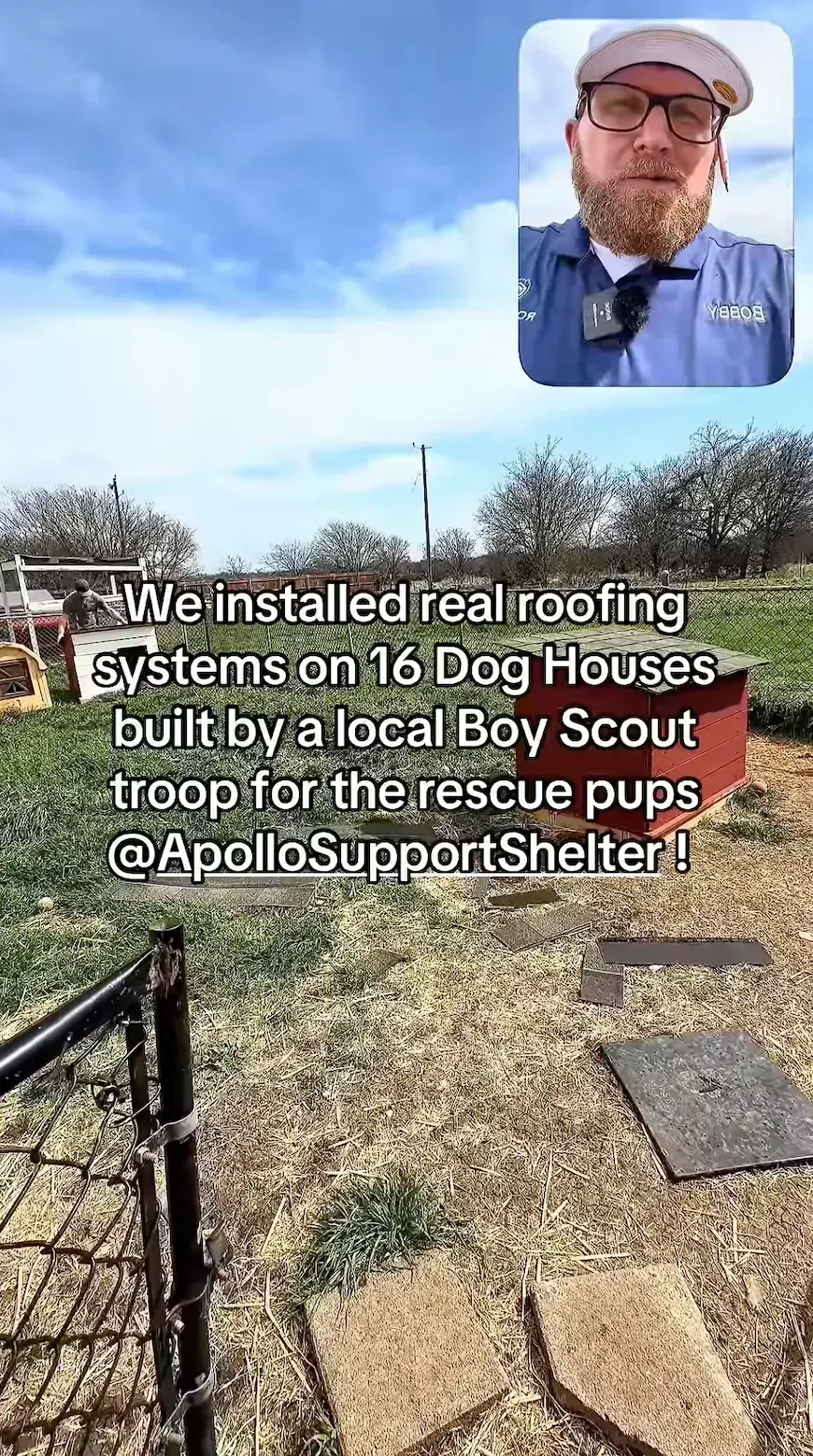
Connect with us on Instagram.
The Cost of Cutting Corners
There is a reason why professional roof installation costs more than a handyman special. You are paying for expertise, proper equipment, and accountability. A cheap job might use lower-grade underlayment, skip the ice-and-water shield in valleys, or use fewer nails per shingle. Those savings get passed on to you initially, but they show up later as leaks, lifted shingles, and reduced energy efficiency. Over the life of a roof, a quality installation actually costs less per year because you avoid repairs and early replacement.
I have seen homeowners try to stretch a roof's life by patching it repeatedly. At some point, the patches become more numerous than the original roof, and the structural integrity is gone. A full replacement done right from the start is almost always the better financial move if your roof is more than twenty years old or has widespread damage. A good contractor can help you assess whether a repair or a replacement makes more sense based on the age and condition of your existing roof.
One more thing. The warranty on your roof is only as good as the company that stands behind it. Make sure you understand what is covered and for how long. Many manufacturers offer a warranty on the shingles themselves, but the labor warranty comes from the installer. If the installer goes out of business or disappears, that labor warranty is worthless. That is another reason to choose a local company with a solid reputation and a physical address you can visit.
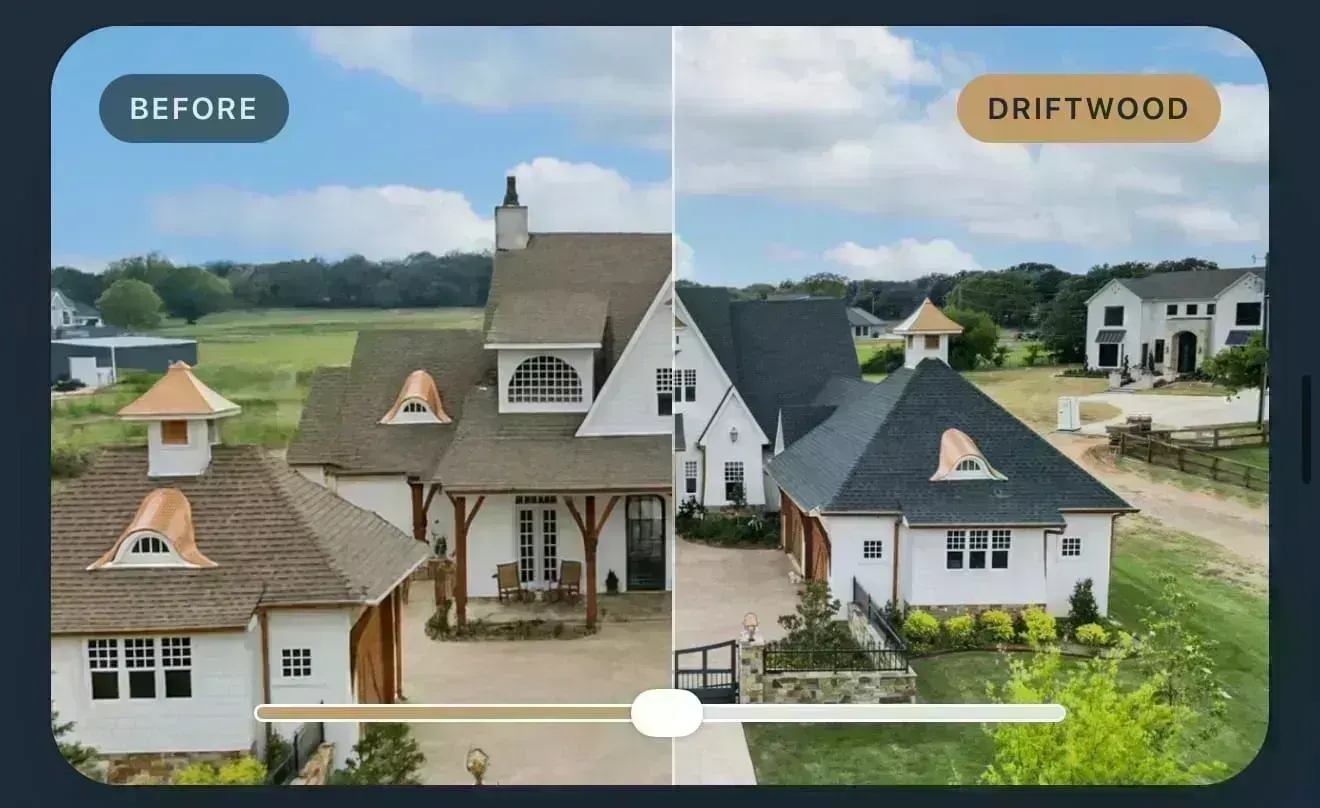
RoofDog Roofing, located at 308 FM1830 Ste 12B, Argyle, TX 76226, is a North Texas roofing company that donates 10% of its profits to local dog rescues while serving homeowners with roof installations, repairs, and inspections. You can reach them at +1 940-828-7663 if you want to talk through your options with a crew that knows the area and gives back to the community.